What is actually happening
Pure gold is chemically stable. It does not rust and it does not tarnish, which is a large part of why humans have prized it for several thousand years.
But a gold-plated piece is a thin layer of gold over a different metal. When that layer wears through — at a clasp, on the inside of a ring, wherever the piece rubs — the base metal underneath is exposed. That metal can oxidize, and that is the discoloration people describe as tarnish.
So the visible problem is tarnish. The underlying problem is wear. Everything useful about caring for plated jewelry follows from that distinction: you are protecting a layer, not treating a stain.
What wears plating fastest
- Water, especially chlorinated pool water and salt water.
- Perfume, hairspray, lotion, and sunscreen — the alcohols and oils are hard on plating.
- Sweat. Skin chemistry genuinely varies, which is why two people get very different lifespans from the same piece.
- Friction. Anything that rubs — a ring against a keyboard, a bracelet against a desk edge, chains tangled loose in a drawer.
- Household cleaning products.
The routine that actually helps
Last on, first off. Put jewelry on after perfume, lotion, hairspray and makeup, and take it off before you shower, swim, exercise, or clean.
Wipe it down after wearing. A soft dry cloth, ten seconds, removes the sweat and oils that would otherwise sit on the surface overnight. This single habit does more than anything else on this list.
Store it dry and separate. A pouch or a lined box, not a heap in a dish. Pieces stored loose together scratch each other, and humidity in a bathroom is working against you around the clock.
⛔ Skip the polishing cloths and dips sold for solid gold and silver. They are abrasive or chemically active by design, and on a plated piece they remove the very layer you are trying to keep. Warm water, the gentlest possible soap, a soft cloth, dried immediately — that is the whole toolkit.
If it has already discolored
If the piece has darkened but the plating is intact, gentle cleaning as above will often bring it back.
If the plating has worn through and base metal is showing, cleaning will not fix it — there is nothing to restore. Re-plating is the real answer, and most jewelers offer it at a fraction of replacement cost.
A note on what I make
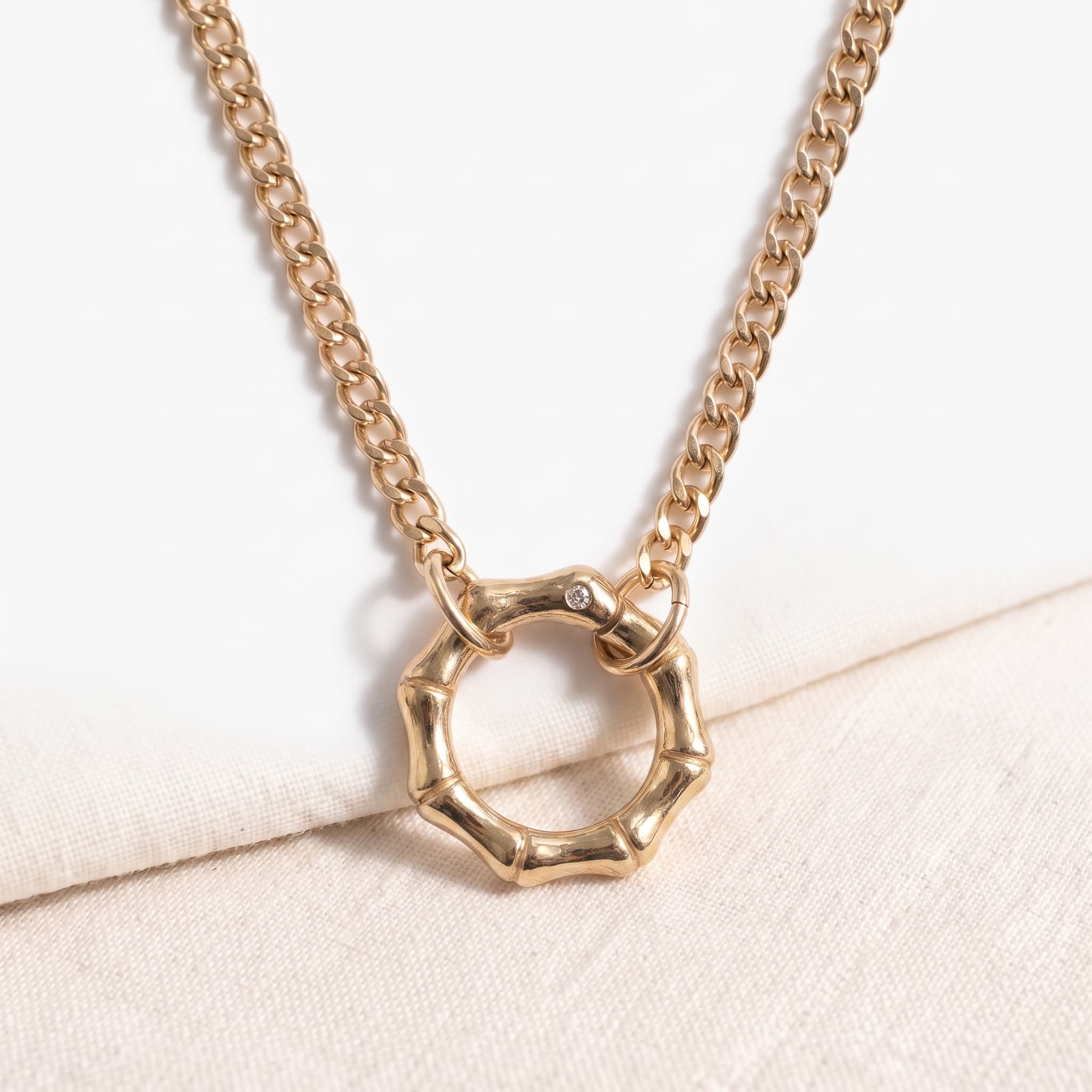
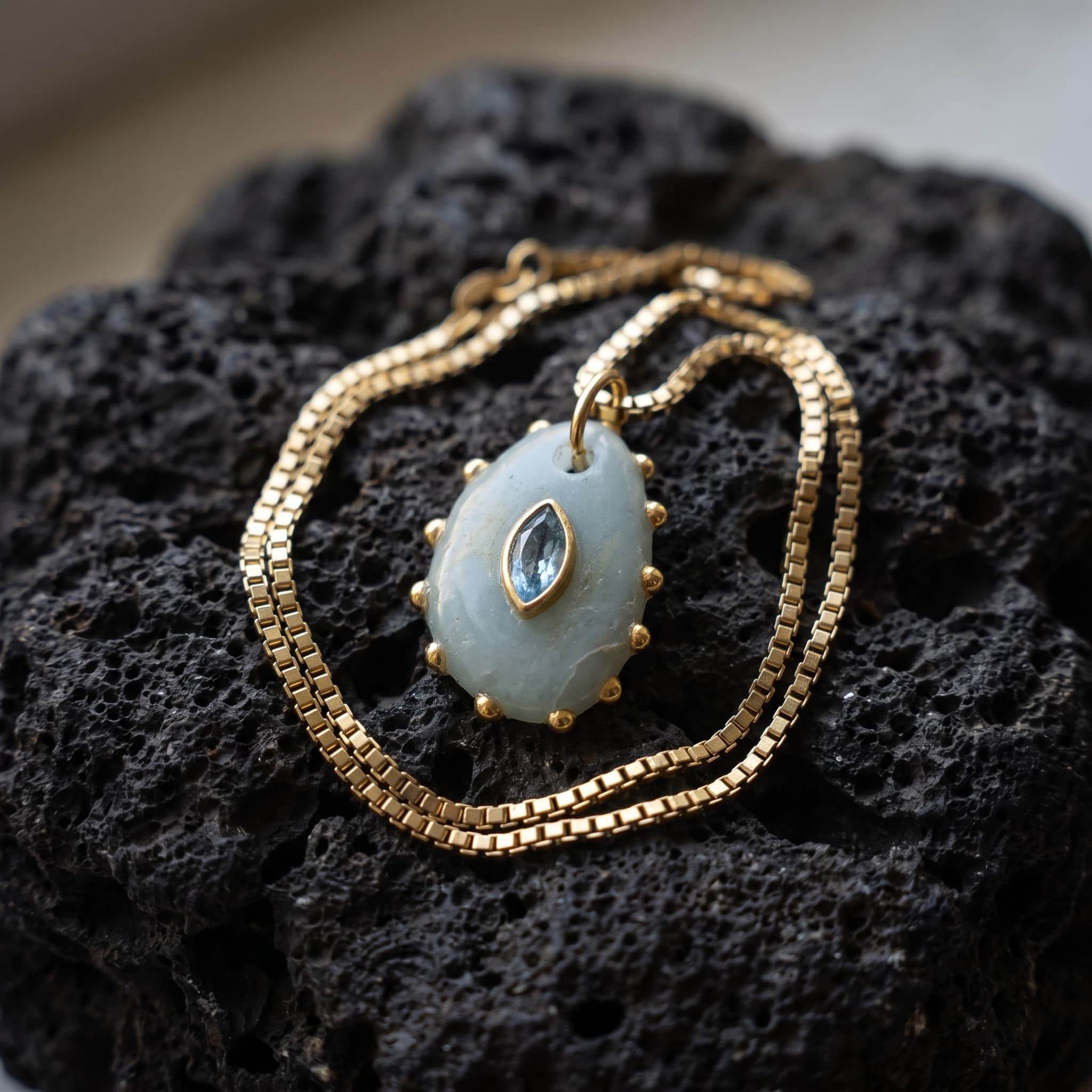
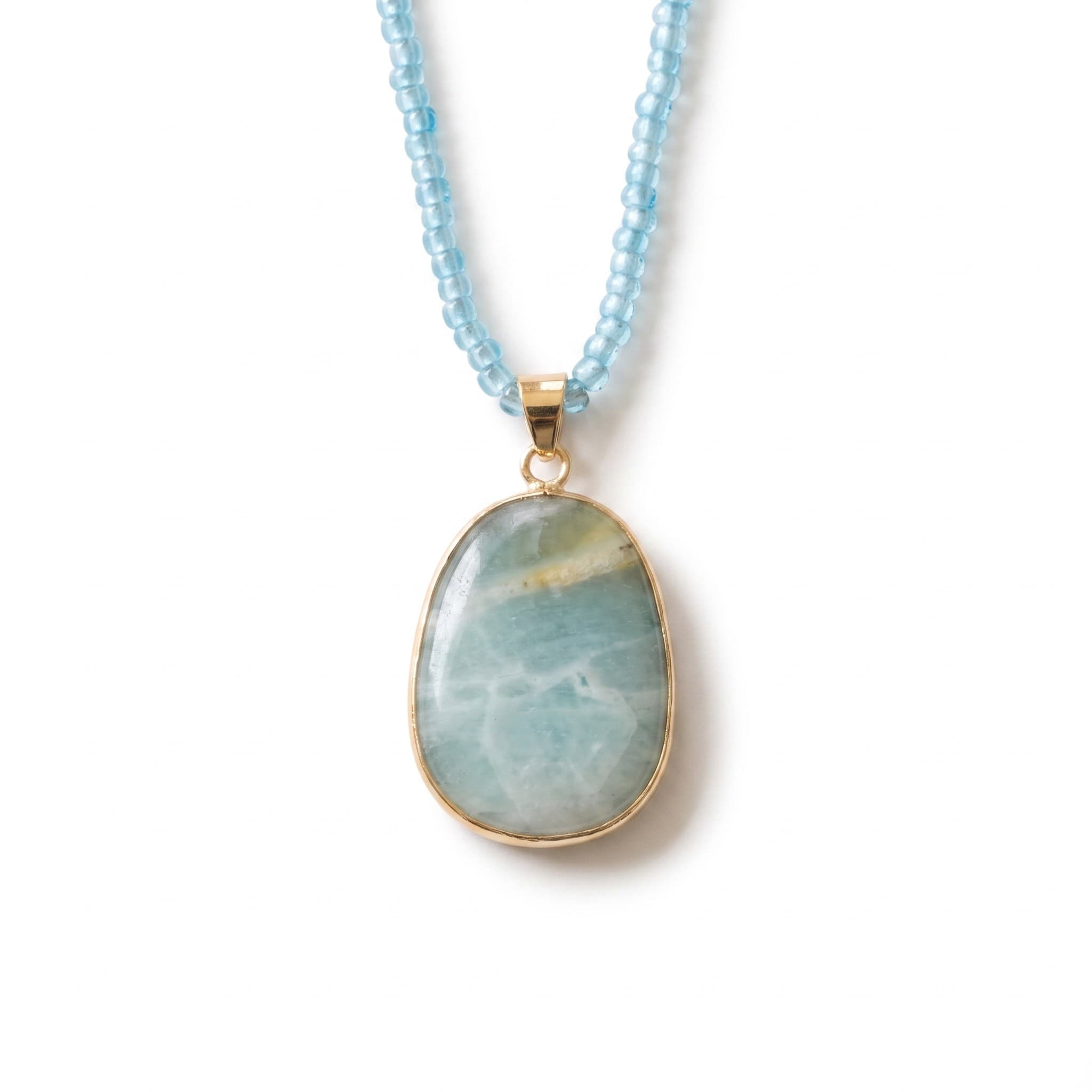
My pieces are mostly gold-plated stainless steel. Stainless steel is a good core for plated jewelry specifically because the base metal is corrosion-resistant in its own right, so the piece behaves better than plated-over-brass as the plating ages.
That is not a promise of immortality. It is a reason the failure is graceful rather than sudden.
Common questions
Can I shower with gold-plated jewelry?
Better not to. Water, soap and shampoo all accelerate wear on the plating, and repeated exposure shortens the life of the piece noticeably.
Why did my gold-plated necklace turn my skin green?
That is usually a reaction between your skin and base metal exposed where the plating has worn — often copper in the alloy. It is harmless, but it means the plating has worn through at that spot.
How do I clean gold-plated jewelry?
Warm water, a tiny amount of the mildest soap you have, a soft cloth, and dry it immediately and completely. Avoid polishing cloths, silver dips, ultrasonic cleaners and anything abrasive.
Does gold-plated stainless steel tarnish?
The gold layer does not, and stainless steel is corrosion-resistant, so it holds up better than plating over brass. Where the plating wears through you may still see a color difference as the steel shows.