If you have ever wondered why one gold necklace costs $30 and a visually identical one costs $300, the answer is usually not the design. It is how much actual gold is on the piece, and how it got there.
Here is the honest version, including where my own work sits.
Gold-plated
A very thin layer of gold deposited onto a base metal using an electric current. The gold is real, but the layer is microscopically thin — often well under a micron on inexpensive costume pieces, and a few microns on better ones.
Because the layer is so thin, plating wears. How fast depends on thickness, what the base metal is, and how hard the piece lives. A pendant that sits still on your chest will outlast a ring you type in every day by years.
There is no legal minimum thickness for the word "plated" on its own, which is exactly why the term covers such an enormous range of quality.
Gold-filled
A thick layer of gold mechanically bonded to a base metal core with heat and pressure. It is not a coating in the same sense — it is a bonded sheet.
This one is regulated. In the United States, the FTC requires that the gold layer be at least 1/20th of the item's total weight for it to be sold as gold-filled. That is why you see it written as "14/20 gold-filled" or "1/20 14k gold-filled".
That weight requirement is the whole point. Gold-filled contains dramatically more gold than plating, and it behaves accordingly — it can last years to decades with normal wear.
⛔ Gold-filled and gold-plated are not synonyms, and a piece cannot be described as gold-filled unless it meets that weight standard.
Gold vermeil
Vermeil (pronounced ver-MAY) is a specific case: gold over sterling silver, rather than over brass or steel.
It is also regulated in the US. The base must be sterling silver, and the gold layer must be at least 2.5 microns of at least 10 karat gold.
The appeal is that when the gold does eventually wear at high-contact points, what shows through is sterling silver rather than a base metal — so it ages more gracefully and matters more if you react to base metals.
Solid gold
Gold all the way through, expressed in karats: 14k is 14 parts gold out of 24, 18k is 18 parts out of 24. The remainder is alloy metals that give it strength and color.
Nothing to wear through, and priced accordingly.
So which is best?
The one that matches how you will wear the piece and what you want to spend. That is not a dodge — the failure mode is real people buying plated everyday rings and being disappointed in four months.
- Solid gold or gold-filled for something worn daily for years, especially rings and bracelets that take abuse.
- Vermeil if you react to base metals but do not want solid gold pricing.
- Quality plating for pendants, statement pieces, and anything worn occasionally — where the wear that kills plating simply does not happen.
What J. Ruth pieces are
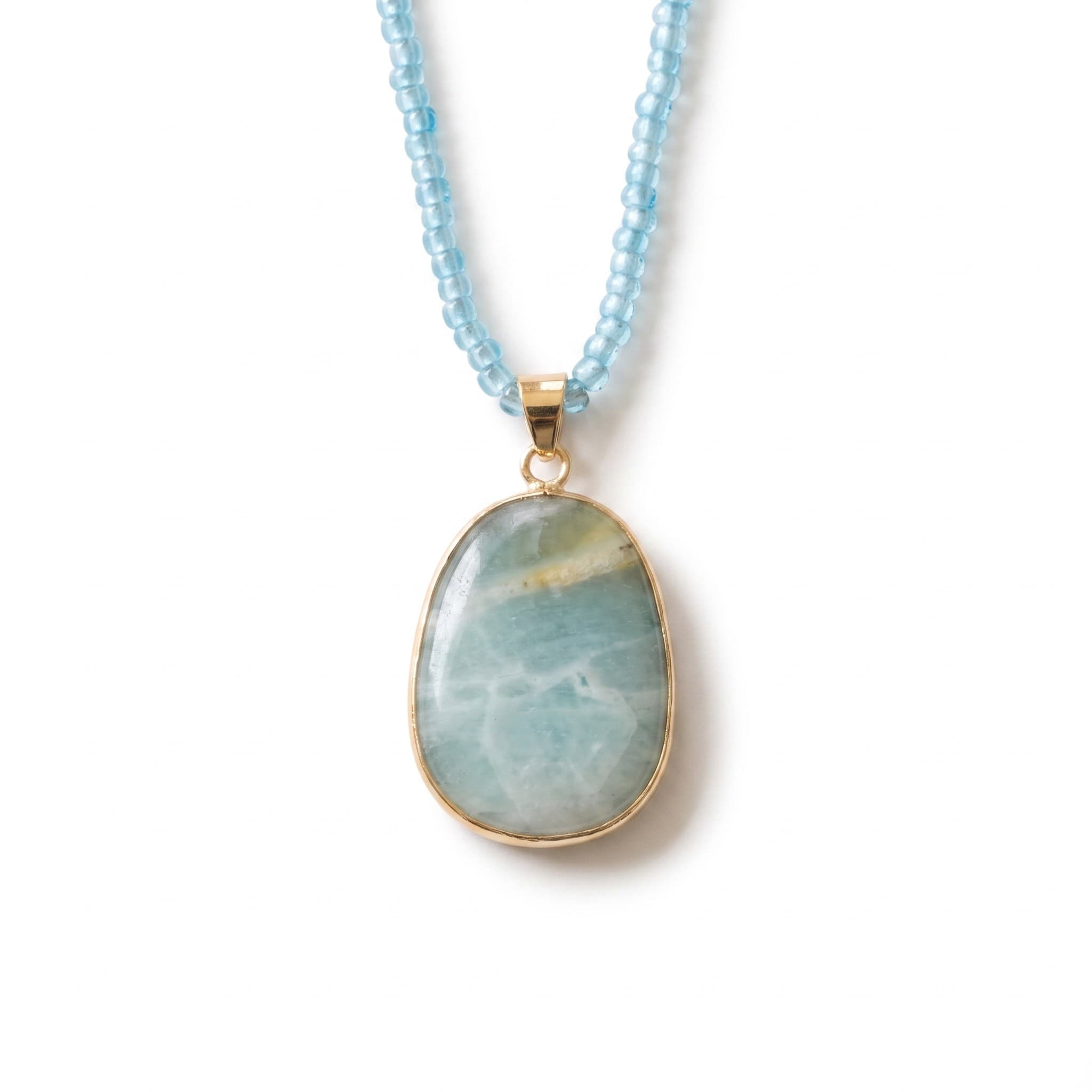
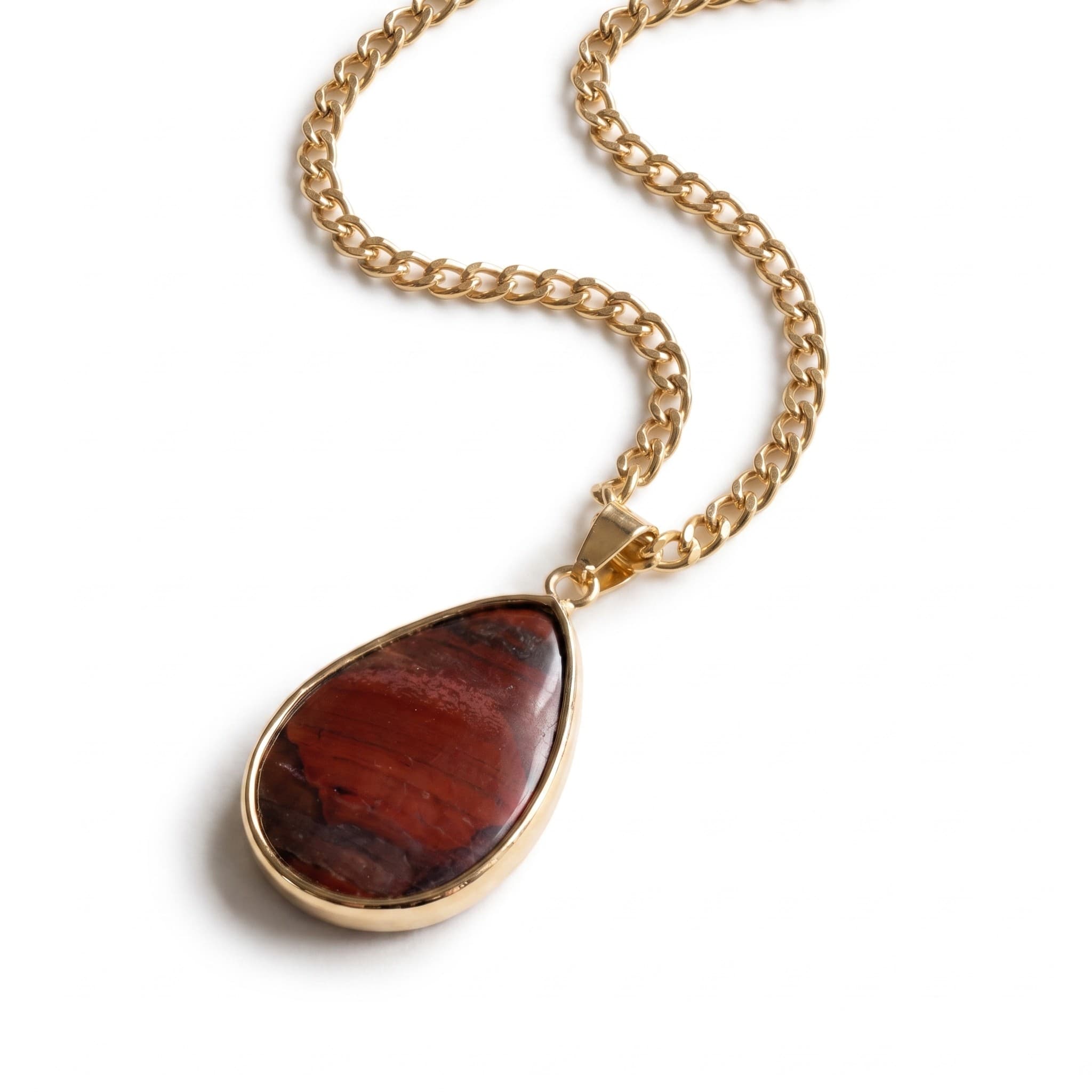
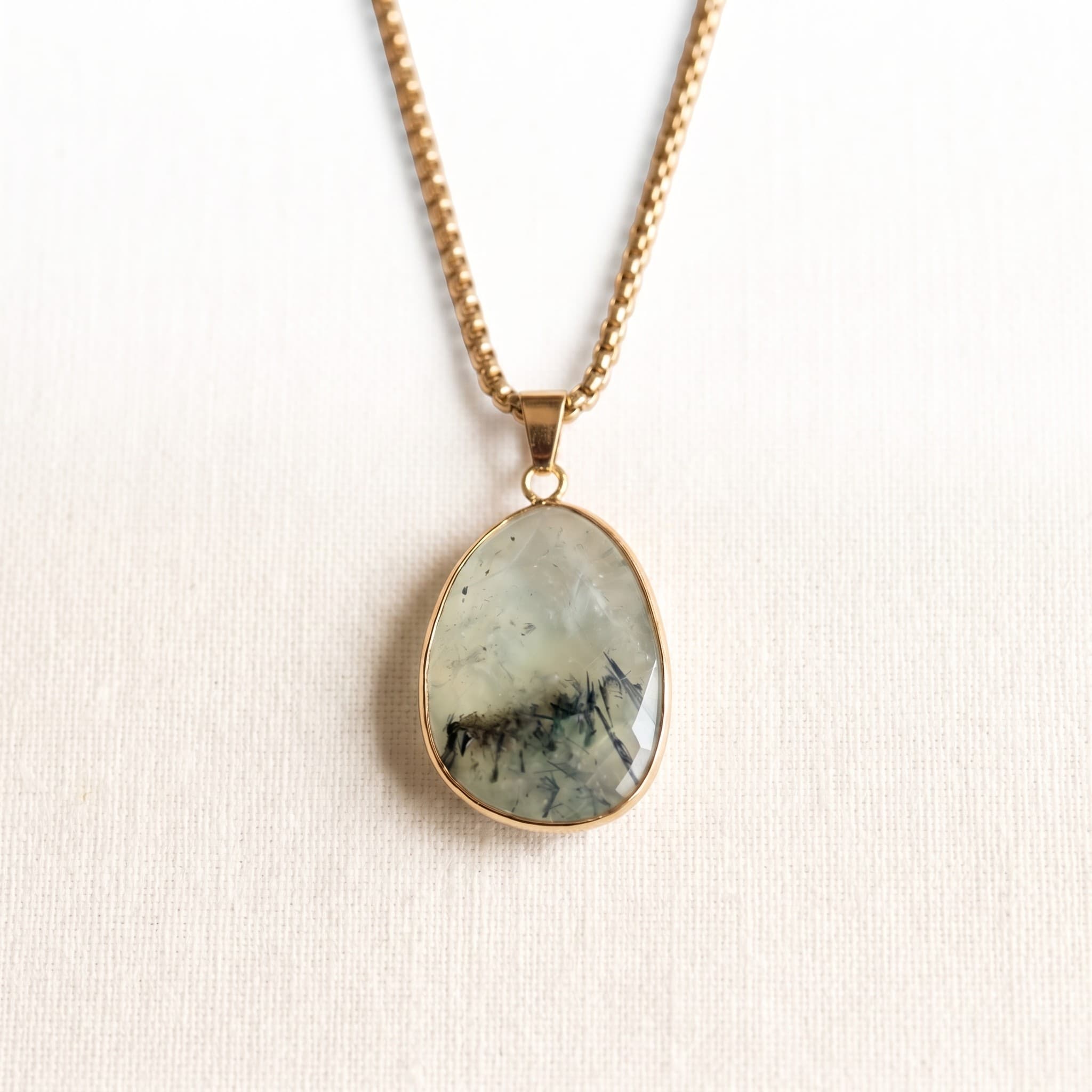
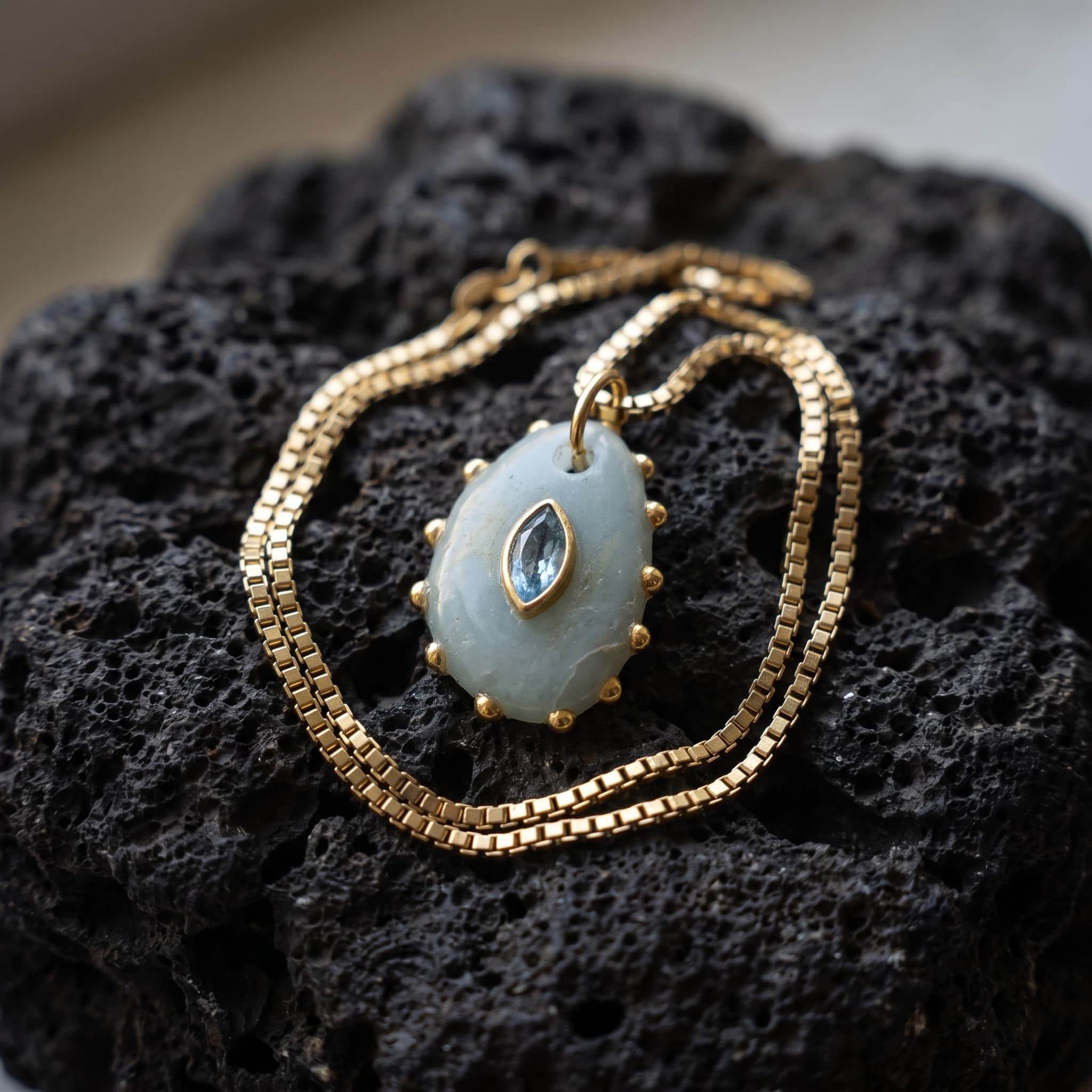
Most of my current work is gold-plated stainless steel, with some gold-plated brass, bronze, and sterling silver depending on the piece. The exact metal is listed on every product page, and I would rather tell you plainly than let a vague word do the work.
I make pendants and charm necklaces — the category where plating holds up best, because a pendant on a chain is not being ground against a desk all day. Paired with the care in the guide below, these last well.
Common questions
Is gold-filled better than gold-plated?
In terms of how much gold is on the piece and how long it lasts, yes, substantially. Gold-filled must be at least 1/20th gold by weight under FTC rules, while plating has no legal minimum thickness. Gold-filled also costs more.
Is gold-plated jewelry real gold?
Yes — the outer layer is genuine gold. What differs is how much of it there is. It is a thin layer over a different base metal rather than gold throughout.
How long does gold plating last?
Anywhere from a few months to several years, depending on plating thickness, the piece, and how it is worn and cared for. Pendants and occasional-wear pieces last far longer than everyday rings.
Can gold-plated jewelry be re-plated?
Usually yes. A jeweler can strip and re-plate most pieces, which is often cheaper than replacing something you love.